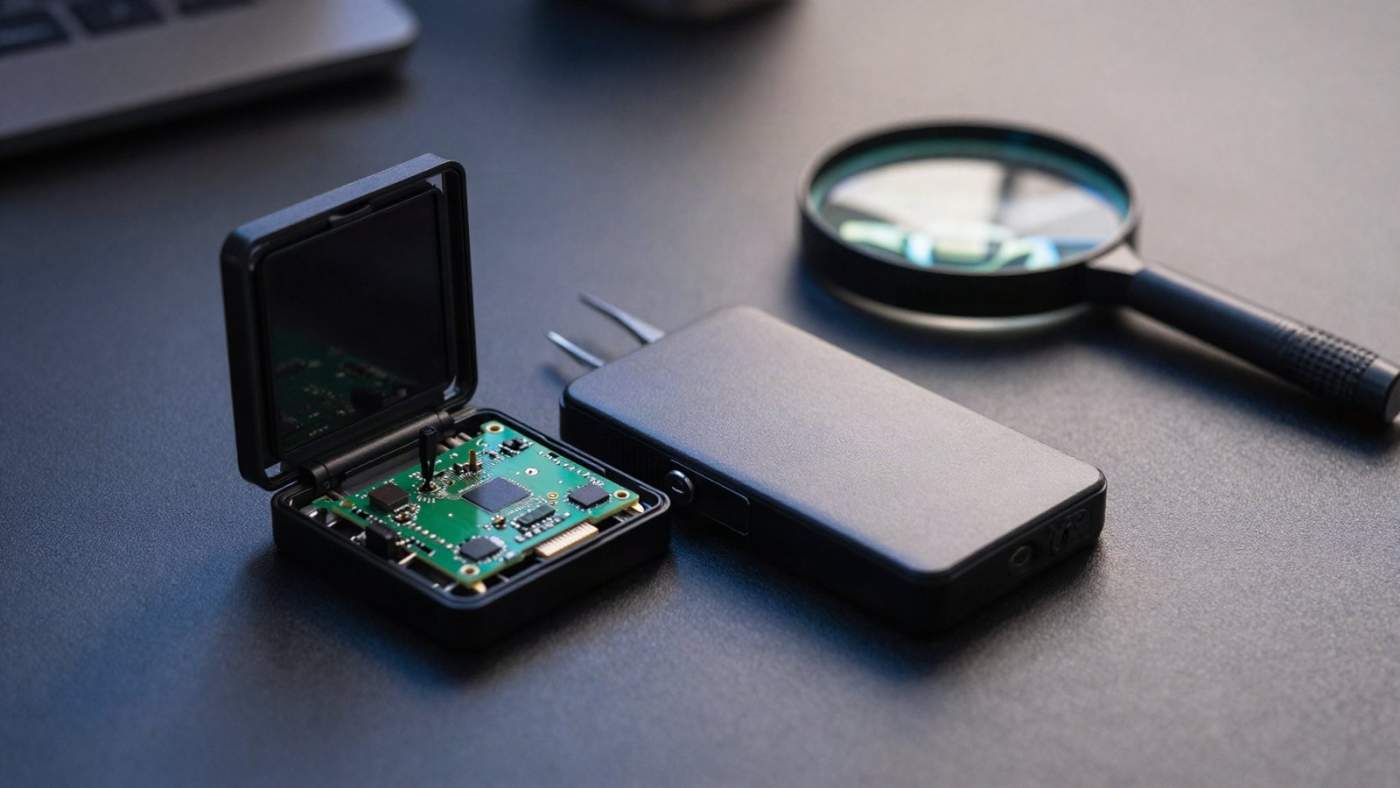
Hardware wallet maker Trezor is warning customers who bought a device from the reseller CryptoBilis. The reason is a report of a suspected hardware implant in a Trezor Safe 5: a customer in Indonesia found an extra circuit board with a cellular module and an antenna inside his device. Trezor has not yet examined the device itself, but it treats the report as credible and advises all CryptoBilis customers who bought a Trezor from March 2026 onwards to move their funds to a new wallet with a new recovery phrase as a precaution.
The case follows the supply chain attack on Ledger devices that were sold through the same reseller in Southeast Asia. Here is what Trezor confirms, what so far comes only from the customer’s report, and what affected users should do now.
Key Takeaways
- On October 28, 2026, Trezor received a report through its responsible disclosure program about an implant in a Trezor Safe 5 bought from CryptoBilis in August 2026 via the Tokopedia marketplace.
- According to the report, an extra board with a cellular module and an antenna sits between the main board and the screen. It allegedly reads the screen, including the wallet backup, and sends it out over a mobile network. Trezor has not verified this yet.
- No CryptoBilis buyer has reported a loss of funds to Trezor so far. The reporter had already moved his funds off the device.
- The guidance applies to every Trezor model bought from CryptoBilis from March 2026 onwards. Affected customers get a replacement device or a voucher.
- CryptoBilis has not been an official Trezor reseller since October 9, 2026.
Trezor Safe 5: what was found inside the device
In its security notice of October 30, Trezor describes the report as follows: an extra circuit board was fitted inside a Trezor Safe 5 between the main board and the screen, equipped with a cellular module and an antenna. According to the customer, this board reads what the display shows, including the wallet backup, meaning the recovery phrase. Whenever the device is plugged in, it is said to send that data out over a mobile network.
Trezor stresses that it has not verified these claims itself. The company has received the report and photos, interviewed the reporter via video call and is now arranging for the device to be sent to its lab. What it has seen looks sophisticated enough to warn customers now, it says, because waiting for lab confirmation would leave CryptoBilis buyers exposed in the meantime. In Trezor’s assessment, the implant appears to operate similarly to those found in Ledger devices.
The customer noticed the tampering because of a difference in weight. Trezor nevertheless explicitly advises against weighing or opening your own device. Weighing is not a reliable test, and small differences can have other causes. There is no dependable way to inspect a device yourself, the company says.
Background: CryptoBilis and the Ledger case
Until October 2026, CryptoBilis was an official Trezor reseller in Southeast Asia and at the same time an authorized Ledger reseller. On October 9, Ledger began investigating fund losses among customers who had bought hardware wallets from CryptoBilis. According to Trezor, Ledger later confirmed that some of these devices had been physically tampered with in a sophisticated supply chain attack. On-chain analysts put the losses at $86 million to $93 million at the time, as we summarized in our report on the Ledger hardware wallet hack.
Trezor removed CryptoBilis from its reseller network on October 9 and has been investigating customer devices since then. The company also limited the number of its authorized sellers, which it describes as a precaution. With the current report, there is now for the first time evidence that a single Trezor device may have been affected by a similar attack.
Trezor does not say whether the same attackers are behind both cases. Every manufacturer builds its devices differently, so it does not want to draw comparisons while investigations are ongoing, and it does not know who is responsible. Trezor says it is working with Ledger and other parties, as well as with SEAL 911, the Security Alliance’s emergency response service for crypto security incidents.
Who is affected
The warning applies to anyone who bought a Trezor device from CryptoBilis from March 2026 onwards, regardless of the model. The report concerns a Trezor Safe 5, but Trezor says its guidance applies to every Trezor model from this source. This includes any store selling devices supplied by CryptoBilis, including its store on Tokopedia. If you are not sure where your device came from, check the seller name on your receipt or contact support.
Trezor says it has no reports involving any other reseller or region. For buyers who ordered directly from Trezor or from other authorized resellers, there is therefore no indication of tampering so far.
What buyers should do now
Trezor distinguishes between two situations:
- Device already in use: move your funds to a newly created wallet with a new recovery phrase as soon as possible. Restoring the existing wallet backup on another device does not solve the problem, because the phrase itself may have leaked.
- Device not set up yet: do not set it up, and never enter an existing wallet backup on it.
If no secure hardware wallet is available, Trezor says funds can temporarily be moved to a software wallet or an exchange you are familiar with. Check the full receiving address before sending anything. Affected CryptoBilis customers are eligible for a new device shipped directly by Trezor or a voucher covering the cost of a new device. They should keep the old device and contact support.
Trezor also warns of follow-up scams: criminals are likely to use the incident for phishing, for example with fake emails, physical letters or phone calls. Trezor Support will never ask for your recovery phrase.
Analysis: the supply chain as the weak point
Hardware wallets are meant to keep private keys away from internet-connected devices. This case shows the limits of that model: if a device is tampered with on its way to the customer, the best firmware is of little help when the implant simply reads what the display shows. A built-in cellular module also bypasses the assumption that a wallet can only communicate through the computer it is plugged into.
That leads to simple rules, which also feature in our self-custody guide to hardware wallets: buy devices directly from the manufacturer or from a reseller listed on its website, avoid marketplace offers, and if in doubt about a device’s origin, set up a new wallet. Manufacturers will also apparently have to monitor their reseller networks more closely. How the implants got into the devices, whether at the reseller or elsewhere in the supply chain, has still not been publicly established.
Conclusion
The implant in the Trezor Safe 5 has not yet been confirmed in the lab, and no losses have been reported so far. Trezor still chose to warn early, and that is understandable: owners of a CryptoBilis device lose little by moving to a new wallet, but without that step they could in the worst case lose everything. The lab analysis should show whether the report is accurate and how exactly the implant works. Trezor says it will update its notice as soon as there are new findings or reports of losses.